Textorio beginner guide: your first automated factory
Your first goal is a working production line, not a giant factory. Start with ore, fuel and plates, then bring power online and automate one transfer at a time.
This guide covers the surface opening in the current Early Access build. Building availability and balance can change between updates; the in-game recipe and research panels show what your installed version supports.
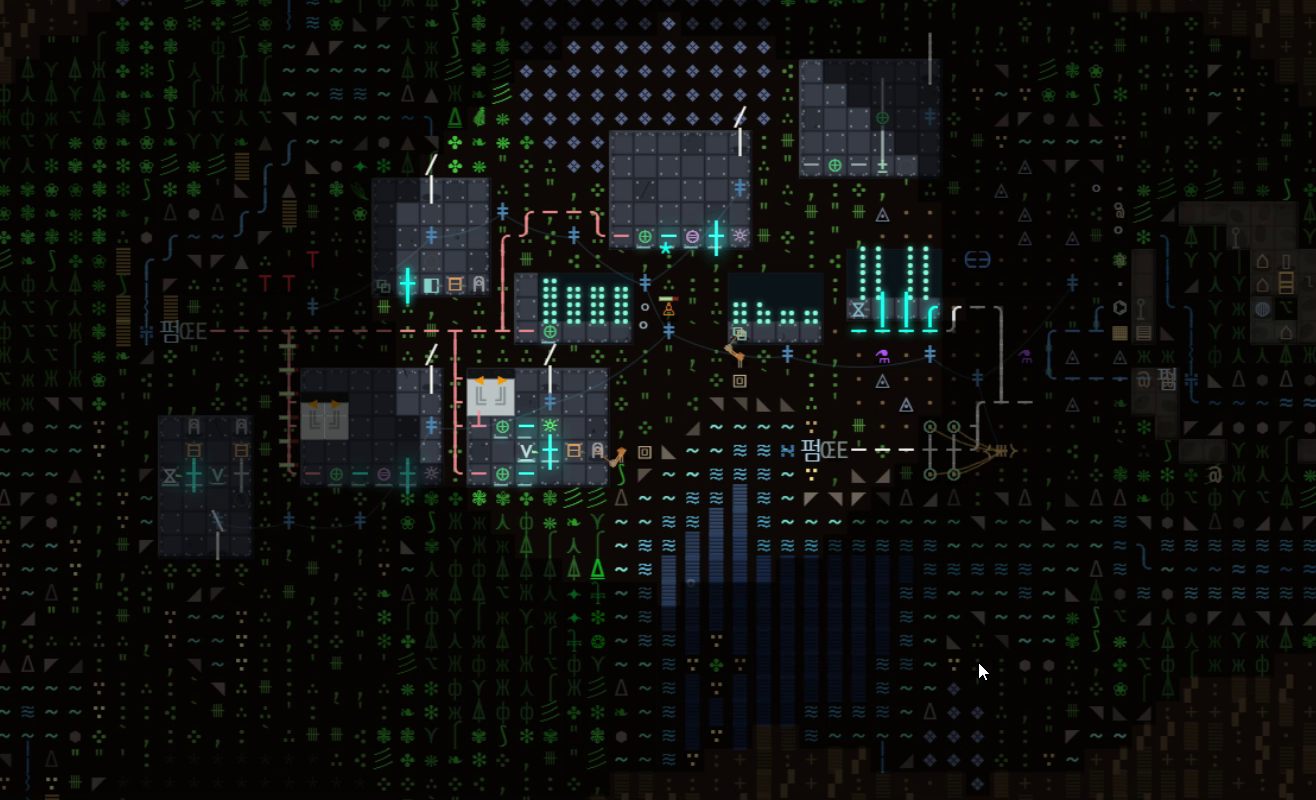
1. Check the capsule supplies before crafting
The opening inventory already includes useful machinery: stone furnaces, offshore pumps, a boiler, a steam engine, a transformer, inserters, small poles, pipes and a pneumatic assembler. Keep the transformer: a pole chain without a transformer does not make a live electrical network.
Locate nearby iron, copper, stone, coal and water. Use the starter ore to begin production, but find a continuing supply before spending everything on new machines. Coal matters early because the boiler accepts coal as its fuel.
Open the building menu with B. Use R when placing a building to adjust its direction, and inspect nearby equipment with E or Enter. Follow the on-screen controls when a panel has focus.
2. Make iron and copper plates
Place a stone furnace where you can reach it easily. Open its panel and supply the appropriate ore and an accepted fuel. Confirm that the furnace actually produces plates before adding belts or more furnaces.
Iron and copper are the foundation of your next machines. Keep a small reserve of both instead of turning every plate into a large belt network. If smelting stops, inspect input ore, fuel, recipe requirements and output space in that order.
The crafting recipes page helps you trace what an item needs. The installed game's crafting panel remains the authority for quantities.
3. Bring one electrical network online
Build a small steam-power system before filling the map with electrical consumers. An offshore pump supplies water, a coal-fired boiler makes steam, and a steam engine converts that steam into electrical production. Pipes connect the fluid route; the transformer and poles establish and distribute the electrical network.
Check each stage separately. The boiler must have water and coal. The engine must receive steam. Your producers and consumers must belong to the same live network. A machine beside a pole can still be unpowered if that network has no transformer or its poles do not connect.
See the power setup and troubleshooting guide for a step-by-step check rather than guessing which building to replace.
4. Automate one transfer, then expand
Once you have a stable supply of plates and power, choose one repetitive job. A good first target is moving material between a supply, a processing machine and an output. Add belts where needed and use inserters to transfer items.
Inspect an inserter before blaming the whole line: check its direction, whether the input is within reach, whether the destination accepts that item, and whether it has power. Then watch a complete production cycle. Fix the first missing ingredient instead of adding more machines downstream.
Leave room around each machine for fuel, fluids and output. Compact builds look satisfying, but a little access space makes your first factory much easier to diagnose.
5. Research with a specific next step in mind
Use the research panel to choose an available technology that solves your current problem. Make the required science or materials, then verify that the new recipe or building has unlocked. Some branches have tier or world-layer requirements; a locked option does not necessarily mean your factory is broken.
The demo samples the single-player early game and caps research at tier 2 in the current configuration. The paid Early Access build has a wider research tree, while the deeper descent remains unfinished. The demo guide explains that distinction.
6. Keep the factory and colony supplied
Resource extraction, power and defence are continuing jobs. As your factory grows, check fuel before a blackout, leave spare repair supplies and pay attention to hostile wildlife. The colony also needs continuing supplies: increasing its tier is not a permanent substitute for food, water and power.
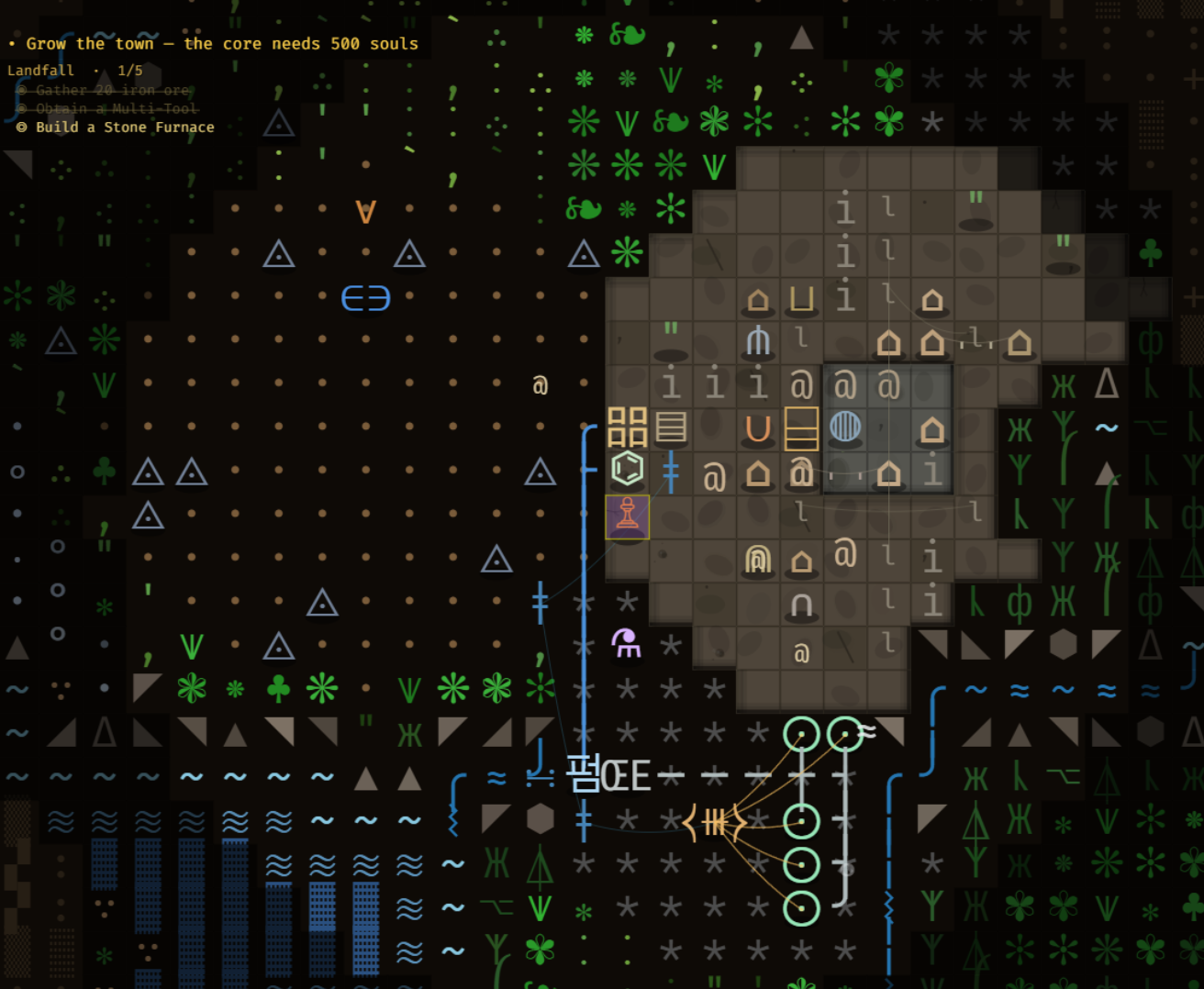
When your first line stops
- The furnace is idle
- Check ore, accepted fuel and output space. A belt beside a machine does not prove that material has entered it.
- The boiler has water but makes no steam
- Check its coal supply. Wood and other furnace fuels are not substitutes for boiler coal in this build.
- Every electrical machine is dark
- Check the transformer, then connected poles, steam production and total demand.
- Items arrive but the next machine does nothing
- Inspect the selected recipe, missing ingredients and whether the input item is accepted.
- A building or technology is locked
- Read its research and layer prerequisites. Demo and Early Access boundaries also limit progression.
A useful first-session checklist
- Find a continuing supply of coal and ore.
- Produce plates successfully in one furnace.
- Run a coal, water and steam chain.
- Connect a transformer and the first consumers.
- Automate one item transfer and watch it work.
- Choose one available research target.
You can stop here with a factory you understand. Expansion is easier when you know exactly which chain needs more capacity.
Start with the opening factory loop before buying Early Access.